Bachelor of Interior Design
The Bachelor of Interior Design (B.ID) at SAL School of Interior Design is a four-year undergraduate program affiliated with GTU and approved by AICTE. The program follows a studio-based learning model, where core subjects and electives are designed to support and enhance design thinking and application.
Key subjects include interior design studios, furniture design, history and theory of interior design, interior materials and construction technology, lighting and building services, and acoustics. Students also gain strong skills in drawing, digital representation, model-making, and 3D visualization.
All subjects, including electives, are integrated to strengthen the design process, providing a holistic and practice-oriented education. The curriculum is enriched through workshops, expert lectures, site visits, and industry exposure.
With a focus on functionality, aesthetics, sustainability, and human-centric design, the course equips students to create meaningful interior environments across residential, commercial, hospitality, and public spaces.
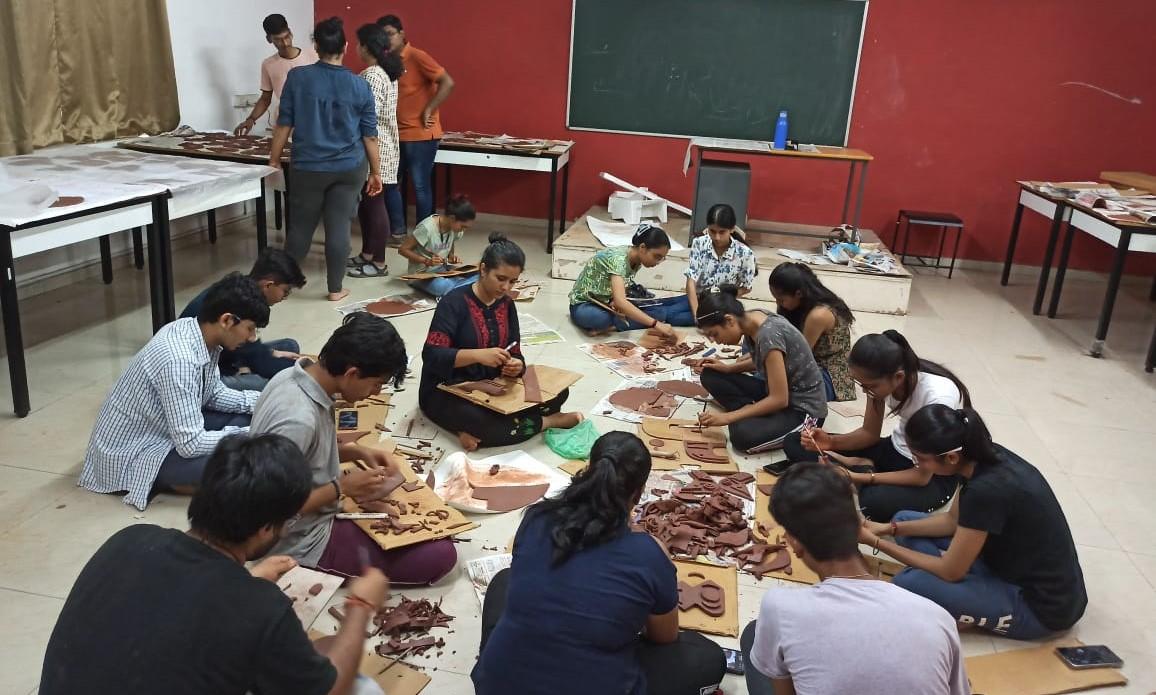
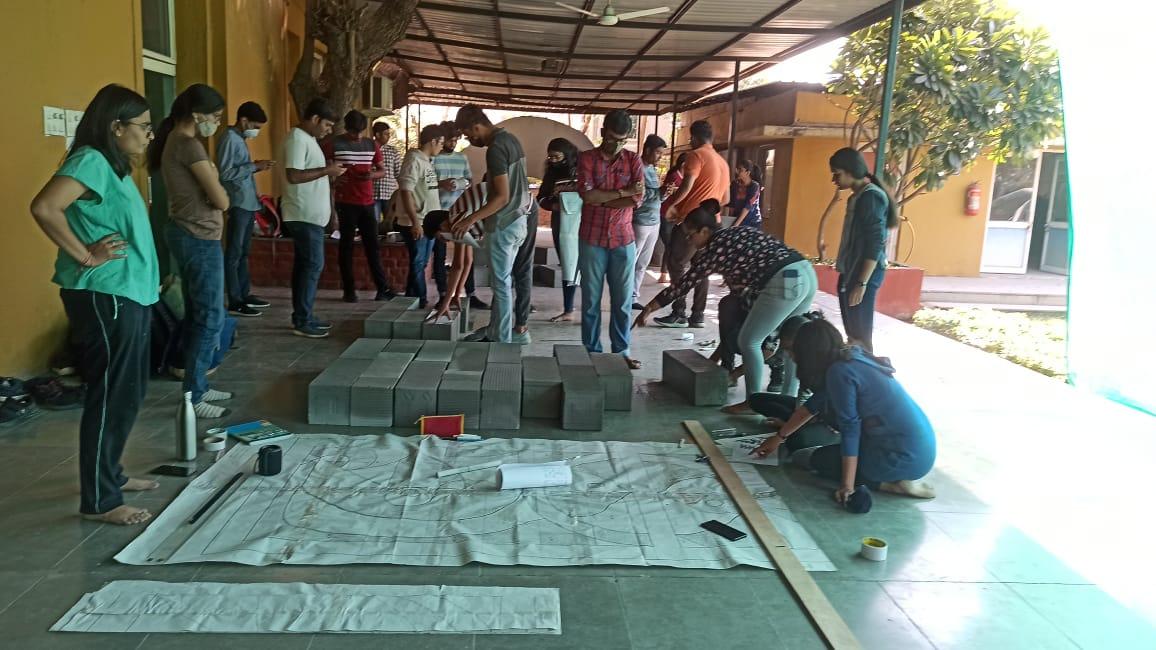
At SAL School of Interior Design, our pedagogy is centered around learning by doing. We follow a studio-based, practice-oriented approach where students learn through active engagement with real-world design challenges. Each subject—core or elective—is thoughtfully structured to support the design studio, ensuring integrated and holistic learning.
Our teaching methodology emphasizes concept development, critical thinking, material exploration, and hands-on experimentation. Students are encouraged to question norms, explore alternatives, and express individual creativity while designing with empathy and context.
We blend traditional learning with digital tools, workshops, field visits, and peer reviews to foster collaboration and innovation. Regular interaction with industry professionals, guest lectures, and internships add professional depth to academic learning.
The curriculum supports multi-sensory and experiential learning, nurturing not just technical skills but also communication, teamwork, and design sensitivity. Our goal is to shape confident, reflective, and future-ready interior designers who can think critically and design responsibly.

Dr. Ramanjyot Shrivastava

Meghna Sutaria

Pallavi Agarwal

Ruchita Patel

Devashish Pandya

Mikul Patel

Meera Rajpara

Krinal Soni
Faculty Details
| Name : | |
|---|---|
| Designation : | |
| Qualification : | |
| Specialization : | |
| Experience : | |
| Paper Publication : | |
| Workshop/Training/Seminar/Webinar Organized : | |
| Workshop/Training/Seminar/Webinar Attended : | |
| Email ID : |
Studio is the central subject in architectural education, forming the foundation of design thinking and creative problem-solving. Each semester, students engage with studio projects that address themes such as spatial design, housing, community architecture, public spaces, or urban intervention. These studios integrate learning from allied subjects, encouraging a holistic approach to design. The studio environment fosters exploration, critical dialogue, and iterative development through drawings, models, and peer discussions. It also nurtures individual expression and collaborative skills, preparing students to respond innovatively to real-world architectural and social challenges.
Semester 1 – Basic Design Studio
Introduces design elements such as form, space, line, and texture. Students explore visual balance, rhythm, and composition through abstract exercises, drawing, and model-making. The focus is on developing observation, creativity, and the fundamentals of spatial thinking in interior environments.
Semester 2 – Space Planning Studio
Focuses on basic spatial planning and user-centered design. Students design functional interior layouts for small-scale spaces, addressing furniture arrangement, ergonomics, and circulation. The studio builds technical drawing skills and enhances spatial clarity and problem-solving abilities.
Semester 3 – Residential Interior Design Studio
Explores complete residential design, including living, dining, kitchen, and bedroom spaces. Students integrate design concepts with furniture, lighting, materials, and services. Emphasis is placed on client needs, comfort, and aesthetic expression through well-resolved spatial planning and visual presentation.
Semester 4 – Adaptive Reuse Design Studio
Engages with retail and service-based interior spaces like boutiques, cafés, and showrooms. The studio emphasizes branding, user experience, and functional zoning. Students focus on circulation, display, and visual merchandising through creative spatial solutions.
Semester 5 – Hospitality & Recreational Design Studio
Students design interiors for hotels, restaurants, and wellness centers. The studio explores themes of mood, ambiance, and experiential design. Emphasis is on spatial storytelling, material richness, lighting, and creating memorable guest experiences.
Semester 6 - Working Drawing Studio
This studio bridges design and execution, training students in the preparation of detailed working drawings for interior projects. Emphasis is placed on accuracy, construction detailing, material specification, and professional drafting standards, fostering practical skills crucial for real-world practice.
Semester 7 – Office Training
Students undertake a full-semester internship at a professional design or architecture firm. They gain real-world experience in project development, client interaction, working drawings, site supervision, and professional practices—bridging academic learning with industry exposure.
Semester 8 – Design Thesis Studio
In the final semester, students independently research and design an interior project of their choice. The thesis demonstrates design maturity, technical competence, and a unique design voice. It is the culmination of academic and creative learning.
4th Year
Office Training
As part of professional practice, students undergo a semester-long internship with architectural firms. This immersive experience exposes them to real-time projects, site work, teamwork, and client interactions, equipping them with industry insights and professional ethics essential for future practice..
Thesis
The final semester is dedicated to an individual architectural thesis where students independently research, conceptualize, and develop a design proposal of their choice. It is a culmination of their academic journey, reflecting their design ideology, technical ability, and critical understanding of architecture.

Special Digest
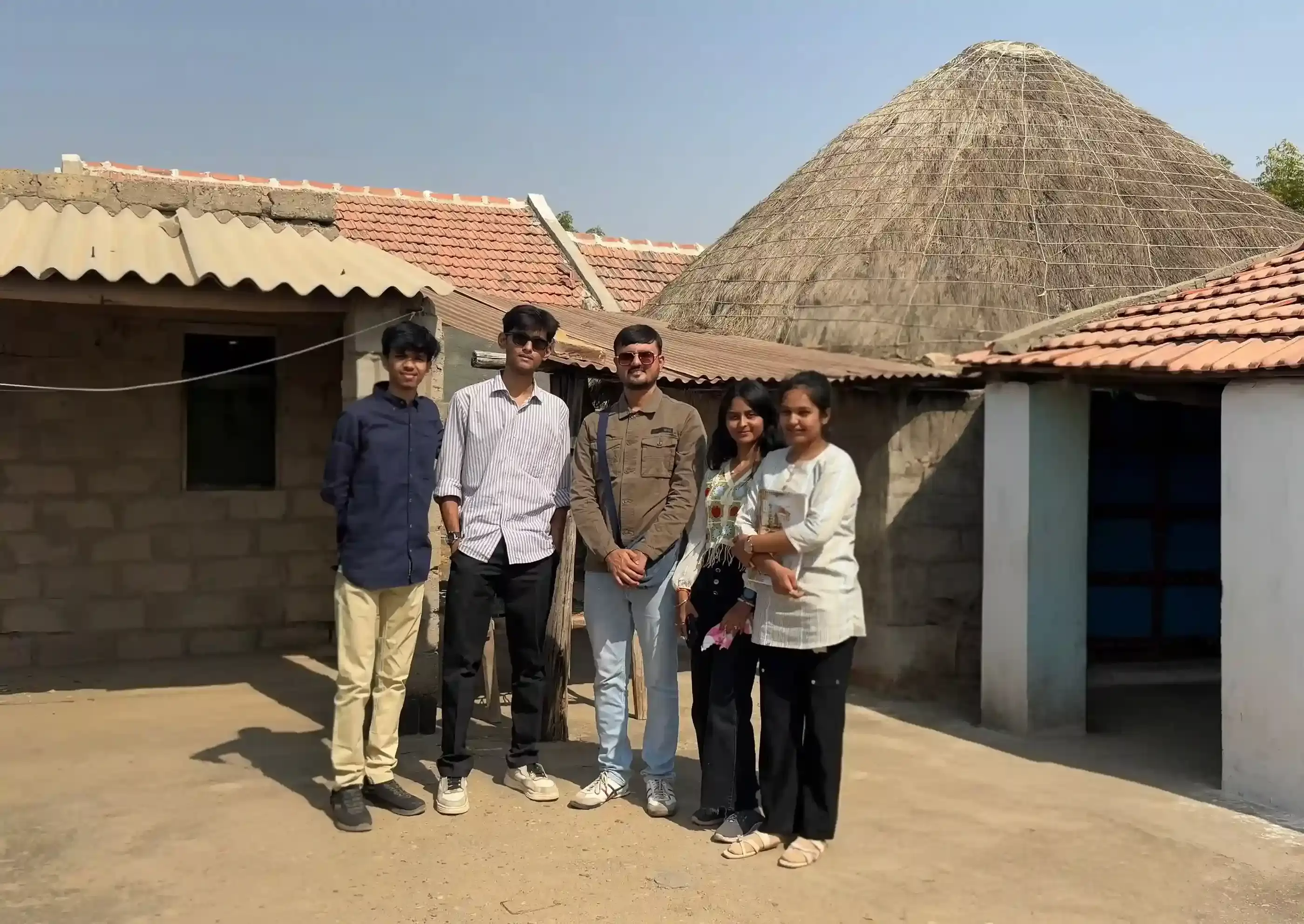
A team of students of 2nd Year Interior Design, under the guidance of Asst. Professor. Jaimin Jadav, were shortlisted in the first round of jury for the prestigious CBRI Architecture Competition - Bhartiya Paramparik Awas Uthan Puraskar 2.0., conducted by CBRI Roorkee.
Vinay Solanki, Vanshika Dalwadi, Harsh Agrawal, Zarana Patel (Students), Asst. Professor. Jaimin Jadav (faculty)